





Table of Content
Best Aluminum Luggage for 2026

Aluminum luggage is known for its durability, rigid structure, and premium design. Travelers who want long-lasting suitcases often choose aluminum because it can withstand heavy pressure and repeated travel. This guide highlights the best aluminum luggage for 2026 and explains what to look for when choosing one.
Key Benefits of the Best Aluminum Luggage
Aluminum suitcases are often chosen by travelers who want maximum durability and long-term reliability. Compared with most plastic suitcases, aluminum cases provide stronger structural protection and a premium travel experience.
Exceptional Durability and Strength
One of the biggest advantages of aluminum luggage is its exceptional durability. Aluminum shells maintain their shape under pressure and provide strong structural protection during travel. This rigid construction helps protect packed items even when luggage is stacked or compressed during flights.
High Impact and Pressure Resistance
Airport baggage systems frequently expose suitcases to impacts, drops, and heavy stacking. Aluminum luggage is designed to withstand these conditions with minimal structural damage. While aluminum may show dents over time, the overall structure usually remains strong and functional.
Secure TSA-Approved Locks
Many aluminum suitcases use integrated TSA-approved locking systems instead of traditional zippers. These locks provide better security and reduce the risk of forced entry during travel while still allowing airport security inspections when necessary.
Premium Design with Long-Term Value
Aluminum luggage is often associated with premium craftsmanship and long-term durability. Although it usually costs more than plastic alternatives, many travelers consider it a worthwhile investment because of its durability, classic appearance, and long lifespan.
Best Aluminum Luggage in 2026
Aluminum luggage is valued for its durability, structural strength, and premium craftsmanship. The following models represent some of the best aluminum carry-on luggage options for frequent travelers.
Gibraltar Aluminum Carry-On 20"
The Gibraltar Aluminum Carry-On 20" is designed for travelers who want a durable aluminum carry-on suitcase built for long-term reliability. Its rigid aluminum shell provides strong structural protection during frequent travel and airport handling.
Key features include:
- Full aluminum shell for enhanced durability
- Integrated TSA-approved dual locks for improved security
- Smooth 360° spinner wheels for easy airport movement
- Strong telescoping handle for stable rolling control
This aluminum carry-on suitcase combines durability with a clean metallic design, making it a reliable option for frequent travelers.

Captain Aluminum Pro Carry-On 20''
The Captain Aluminum Pro Carry-On 20'' is designed for travelers who want a strong and secure aluminum carry-on suitcase. Its reinforced aluminum shell and frame structure provide excellent resistance to pressure and repeated travel handling.
Key features include:
- Durable full aluminum shell construction for structural strength
- Integrated TSA-approved locking system for secure travel
- Smooth 360° spinner wheels for easy maneuverability
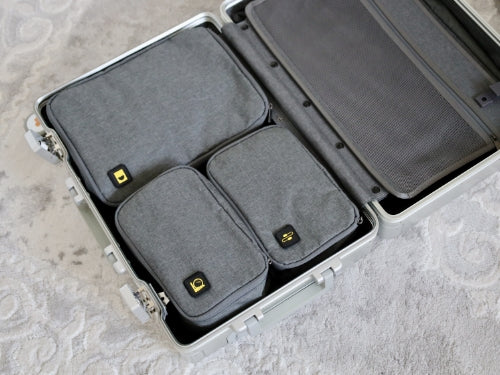
- Wide handle design that creates a flatter interior packing space
- Organized interior compartments for efficient packing
The wide handle structure not only improves rolling stability but also maximizes the usable packing area inside the suitcase. Travelers who prioritize faster access to frequently used items may also consider top opening designs, which allow easier organization during short stops or business trips. Combined with the rigid aluminum shell, this design creates durable, practical carry on luggage for frequent travelers.
How to Choose the Best Aluminum Luggage
Choosing the best aluminum luggage involves more than simply selecting a metal suitcase. Construction quality, locking systems, and travel components all affect how well the luggage performs during frequent trips.
Consider Shell Thickness and Frame Construction
Not all aluminum suitcases are built the same. Thicker aluminum shells and reinforced frame construction provide stronger protection against pressure and impacts during travel. A well-built frame also helps the suitcase maintain its structure over time.
Evaluate Locking Mechanisms and Security
Many aluminum suitcases replace traditional zippers with integrated TSA-approved locks. These locking systems improve security while still allowing airport inspections when required. Strong locking mechanisms can also reduce the risk of forced entry during travel.
Check Wheel Quality and Handle Durability
Even the strongest aluminum shell cannot compensate for weak travel components. High-quality 360° spinner wheels allow smoother movement through airports, while a sturdy telescoping handle improves stability when rolling the suitcase.
Balance Weight and Strength
Aluminum luggage is generally heavier than polycarbonate or polypropylene suitcases. When choosing an aluminum carry-on, it is important to balance durability with manageable weight so the suitcase remains convenient for airport travel and overhead storage. Travelers should also consider how the suitcase fits into their overall travel bag setup, especially when combining carry-on essentials with longer-trip luggage needs.

Aluminum vs Polycarbonate Luggage: Which Is Better?
When comparing aluminum vs polycarbonate luggage, travelers often consider durability, weight, and long-term travel performance. Both materials are widely used in premium hard-shell suitcases, but they serve slightly different travel needs. Aluminum luggage focuses on rigid structural strength and security, while polycarbonate luggage emphasizes lighter weight and flexible impact absorption.
Durability Comparison
Aluminum luggage is known for its rigid metal structure, which provides strong protection against pressure and compression. This makes aluminum suitcases particularly suitable for protecting fragile items or maintaining shape during heavy travel use.
Polycarbonate luggage uses a flexible hard-shell design that absorbs impacts and returns to its original shape after pressure. This flexibility helps reduce the risk of cracking during baggage handling and repeated travel.
Many aluminum suitcases also use latch-style locking systems instead of traditional zippers, which improves structural rigidity and travel security.
Weight Differences
Weight is one of the most noticeable differences between these materials. Aluminum suitcases are typically heavier because of their metal shell and reinforced frame construction.
Polycarbonate luggage is significantly lighter while still offering strong durability. For travelers who frequently lift luggage into overhead bins or move quickly through airports, the lighter weight of polycarbonate can make travel more convenient.
Scratch Visibility and Aging
Aluminum luggage naturally develops visible scratches, scuffs, and small dents over time. Many travelers view this as part of the material’s character, creating a distinctive “patina” that reflects years of travel.
Polycarbonate luggage is less likely to dent, though surface scratches may still appear with frequent use. Textured finishes can help reduce the visibility of scuffs during travel.
Price Range and Target Users
Aluminum luggage typically sits in the premium price range because of its metal construction and frame-based design. It is often preferred by travelers who prioritize structural strength, security, and a classic metal suitcase aesthetic.
Polycarbonate luggage generally offers a wider price range and lighter weight, making it suitable for travelers who want durable luggage with easier mobility.
In practice, aluminum luggage is ideal for travelers who prioritize maximum protection and premium construction, while polycarbonate luggage is often the more practical choice for frequent flyers who want durability with lighter weight.
Aluminum vs Polycarbonate Luggage Comparison
|
Feature |
Aluminum Luggage |
Polycarbonate Luggage |
|
Durability |
Very strong rigid structure that resists pressure |
Flexible shell that absorbs impacts |
|
Weight |
Heavier due to metal construction |
Lighter and easier to carry |
|
Surface Wear |
Can develop dents and visible scratches over time |
May show scratches but rarely dents |
|
Best For |
Travelers who want maximum protection and premium design |
Travelers who prefer lighter luggage for frequent travel |
Overall, aluminum luggage is best for maximum protection and premium construction, while polycarbonate luggage offers a lighter and more flexible travel option.
Conclusion
Aluminum luggage is valued for its rigid structure, premium design, and strong protection during travel. For travelers who prioritize maximum durability and security, aluminum suitcases are often the preferred option. Among the best aluminum luggage options for 2026, models such as the Gibraltar Aluminum Carry-On 20" and the Captain Aluminum Pro Carry-On 20'' stand out for their strong construction, secure locking systems, and travel-friendly design.
However, aluminum luggage is typically heavier than polycarbonate alternatives. Travelers who want lighter mobility may still prefer polycarbonate suitcases. In general, aluminum luggage is best suited for those seeking long-term durability, strong protection, and a premium travel aesthetic.
FAQ
Are aluminum suitcases worth it?
Aluminum suitcases are often considered worth the investment for travelers who prioritize durability and long-term reliability. Their rigid metal structure provides strong protection during travel, and many models include latch-style locking systems that improve security compared with traditional zipper luggage.
Can aluminum luggage go through TSA?
Yes, aluminum luggage can go through TSA screening without issues. Most aluminum suitcases use TSA-approved locks, which allow airport security officers to inspect the luggage if necessary without damaging the locking system.
Do aluminum suitcases scratch easily?
Yes, aluminum luggage can develop visible scratches and small dents over time. However, many travelers view this as a normal aging process that gives the suitcase a distinctive travel-worn appearance.
Can aluminum carry-on luggage fit in overhead bins?
Most aluminum carry-on suitcases are designed to meet airline carry-on size limits and can fit in overhead compartments. However, size requirements vary between airlines, so it is always recommended to check airline guidelines before traveling.



Leave a comment