






Table of Content
Do I Need a Visa to Travel to Europe? 2026 Schengen Guide

For many short tourist or business trips, the answer depends on your passport, your destination, and how long you plan to stay. U.S. passport holders can usually visit the Schengen Area for up to 90 days in any 180-day period without a visa, but late 2026 ETIAS rules may add a travel authorization step for visa-exempt travelers.
Do You Need a Visa to Travel to Europe?
The first step is to define where in Europe you are going. A trip to France, Spain, Italy, or Germany is usually a Schengen trip, while the UK follows separate entry rules.
The Short Answer Depends on Your Passport
You may not need a visa for a short Europe trip if your passport is from a visa-exempt country and your visit is for tourism or business. U.S. citizens can usually stay in the Schengen Area for up to 90 days in any 180-day period without a visa. Travelers from visa-required countries usually need a Schengen visa before arrival.
What Europe, EU, and Schengen Mean for Travelers
“Europe” is a broad travel region. The European Union is a political and economic union. The Schengen Area is a border-free travel zone with shared short-stay rules. The Schengen Area includes 29 countries, including 25 EU countries and 4 non-EU countries: Iceland, Norway, Switzerland, and Liechtenstein. Ireland and Cyprus are not part of the Schengen Area.
Visa-Free Travelers vs Visa-Required Travelers
Visa-free travelers can usually enter the Schengen Area for short stays without applying for a Schengen visa first. Visa-required travelers must apply for a Schengen visa before travel, even if the trip is short. ETIAS does not replace a Schengen visa for travelers who need one. It applies to visa-exempt travelers entering the 30 European countries that require ETIAS.
Short Trips vs Long Stays
For Schengen travel, a short stay generally means up to 90 days in any 180-day period. If you plan to stay longer, work, study, or live in Europe, you may need a national visa or residence permit from the country where you will spend most of your time.
What If Your Europe Trip Includes the UK?
The UK is not part of the Schengen Area, so time spent in London, England, Scotland, Wales, or Northern Ireland does not count toward the Schengen 90/180-day limit. However, the UK has its own entry rules. U.S. citizens and many other visa-free visitors usually need a UK ETA for short visits unless they already have a UK visa, legal residency, or another exemption. A UK ETA allows travel to the UK for up to 6 months, but it does not guarantee entry.
Visa-Free Europe Travel in 2026: ETIAS and the 90/180 Rule
For many travelers, the real question is not only “Do I need a visa?” but also “How long can I stay in Europe?” The 90/180 rule is the key limit for most short Schengen trips.
ETIAS Is Not a Schengen Visa
ETIAS is a pre-travel authorization for visa-exempt travelers, not a Schengen visa. It is expected to start in the last quarter of 2026 and will apply to travelers from visa-exempt countries who enter 30 European countries for short stays. If your nationality already requires a Schengen visa, ETIAS does not replace that visa.
For U.S. travelers, this means the rule will likely change from “no visa needed for short Schengen trips” to “no Schengen visa needed, but ETIAS authorization required once the system starts.” ETIAS is tied to your passport and checked before travel, while final entry permission is still decided at the border.
Who Will Need ETIAS Before Traveling
Once ETIAS begins, visa-exempt travelers will need a valid ETIAS travel authorization before entering the European countries that require it. This includes travelers who currently do not need a Schengen visa for short trips. If your passport already requires a Schengen visa, ETIAS does not apply to you in place of that visa.
How the 90 Days in Any 180 Days Rule Works
The 90/180 rule means you can spend up to 90 total days in the Schengen Area during any rolling 180-day period. It is not a fresh 90 days every time you enter. The EU explains that travelers may enter Schengen countries multiple times, but the total stay cannot exceed 90 days in any 180 days.
How Multi-Country Europe Trips Count
France, Spain, Italy, Germany, Austria, Greece, Switzerland, and many other Schengen destinations count together under the same 90-day limit. If you spend 20 days in France, 15 days in Italy, and 10 days in Germany, that is 45 Schengen days. Time in the UK does not count toward the Schengen 90-day limit because the UK is outside Schengen and has its own ETA system.

When Do You Need a Schengen Visa?
A Schengen visa is a short-stay entry permit for travelers whose nationality requires a visa before entering the Schengen Area. It is used for temporary visits such as tourism, business, or family visits, and it does not cover long-term work, study, or residence.
If Your Passport Is From a Visa-Required Country
If your passport is from a visa-required country, you must apply for a Schengen visa before traveling to the Schengen Area. Check the EU visa-required country list or the consulate website of your main destination. If your trip includes several Schengen countries, apply through the country where you will spend the most time; if the stay length is equal, apply through the first Schengen country you enter.
If You Plan to Stay More Than 90 Days
You may need a long-stay visa, residence permit, or country-specific authorization if your trip goes beyond 90 days. This is handled by the country where you plan to spend most of your time, not by a general Europe-wide tourist rule.
If You Plan to Work, Study, or Live in Europe
Tourism and short business visits are different from working, studying, or relocating. If your purpose includes employment, a longer study program, internship, or residence, check the embassy or consulate of your destination before booking travel.
What to Prepare Before You Travel to Europe
Visa status is only one part of trip preparation. Border officers may also look at your passport validity, return plans, accommodation, funds, and supporting documents. Once your entry requirements are clear, it also helps to review what to pack for a European trip so your documents, essentials, and daily travel items are ready before departure.
Passport Validity and Blank Pages
U.S. travelers should have a passport valid for at least 3 months beyond the planned departure from the EU, and the State Department recommends having validity for the entire stay plus those extra 3 months. Some country pages also mention blank passport page requirements, so check your specific destination before travel.
Return Ticket, Hotel Booking, and Proof of Funds
Even if you do not need a visa, you should be ready to show why you are visiting, where you will stay, when you will leave, and how you will support yourself during the trip. These documents are especially useful for multi-country trips, one-way itineraries, or long stays close to the 90-day limit.
Travel Insurance and Country-Specific Documents
Travel insurance is strongly recommended for Europe trips because medical care, delays, cancellations, and lost luggage can become expensive abroad. Visa-required travelers may also need insurance as part of a Schengen visa application, while visa-free travelers should still check destination-specific requirements before departure.
Carry-On Essentials for Airport Checks and Train Transfers
Europe trips often involve airport entry checks, train transfers, hotel storage, and walking between transport points. Keep passports, travel documents, medication, chargers, one outfit, and basic toiletries in your carry-on luggage, so you do not need to open your checked luggage during every transfer.
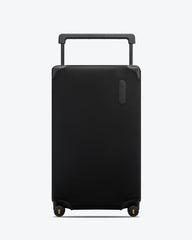
For multi-city trips, a structured option like the Voyageur Carry-On 20'' can make this easier, with divided storage for daily essentials and smooth spinner wheels that are easier to manage through airports, train stations, and hotel lobbies.
Europe Travel Checklist Before You Go
Use this checklist after you confirm your route. It helps turn visa research into practical pre-trip checks.
Check Visa or ETIAS Requirements
Confirm whether your passport needs a Schengen visa, ETIAS, a UK ETA, or no advance authorization for your route. For UK travel, most visitors need either an ETA or a visa, and U.S. citizens visiting the UK for short trips generally need an ETA unless they already have another valid UK status.
Confirm Your Schengen Stay Length
Count every day spent in the Schengen Area across all Schengen countries. Leaving for the UK, Ireland, or another non-Schengen destination pauses Schengen day-counting, but it does not reset the rolling 180-day calculation.
Save Copies of Important Documents
Save digital and printed copies of your passport, visa or travel authorization, hotel confirmations, return ticket, travel insurance, and emergency contacts. Keep one copy in your carry-on and one in secure cloud storage.
Review Airline, Train, and Hotel Details
Check baggage rules, airport transfer times, train station locations, and hotel check-in policies before leaving. This matters on European trips because travelers often move between countries without border checks inside Schengen area, but still need the right documents when entering or exiting the area. For multi-city routes, choosing the best luggage for European travel also matters because train transfers, hotel storage, and airline baggage rules can affect how easy the trip feels.
Conclusion
If you are a U.S. traveler visiting Schengen countries for a short vacation or business trip, you usually do not need a Schengen visa for stays up to 90 days in any 180-day period. In late 2026, ETIAS is expected to add a travel authorization step for visa-exempt travelers, but it is not the same as a visa.
If your passport is from a visa-required country, your trip is longer than 90 days, or you plan to work, study, or live in Europe, check the relevant embassy or consulate before booking. If your itinerary includes the UK, check UK ETA or visa rules separately because the UK is not part of the Schengen Area.
FAQ
Do U.S. citizens need a visa to travel to Europe in 2026?
U.S. citizens usually do not need a Schengen visa for short tourism or business trips of up to 90 days in any 180-day period. ETIAS is scheduled to start in the last quarter of 2026, but it is a travel authorization, not a Schengen visa.
Is ETIAS the same as a Schengen visa?
No. ETIAS is for visa-exempt travelers. A Schengen visa is for travelers whose nationality requires a visa for short stays in the Schengen Area.
Does time spent in the UK count toward the Schengen 90-day limit?
No. The UK is not part of the Schengen Area, so UK days do not count toward the Schengen 90-day limit. The UK has separate ETA and visa rules.
Does leaving the Schengen Area reset the 90-day limit?
No. Leaving the Schengen Area does not reset the rule. Your allowed stay is calculated within a rolling 180-day period, with all Schengen stays added together.
Do you need a visa for the UK if you are traveling to Europe?
It depends on your nationality. The UK is not part of the Schengen Area, so Schengen visa rules, ETIAS, and the 90/180-day limit do not apply to UK entry. Many visa-exempt visitors, including U.S. citizens, usually need a UK ETA for short visits, while visa-required travelers must apply for a UK Standard Visitor visa.


Leave a comment