



Table of Content
How to Fold a Suit for Travel

Packing formal clothes can feel tricky because one bad fold can leave your outfit covered in creases before you even arrive. But you do not always need a garment bag to keep a suit looking neat. The right folding approach helps the jacket and trousers hold their shape, reduces wrinkle buildup, and makes arrival-day touch-ups much easier. This guide explains how to fold a suit for travel, plus how to place folded garments in a suitcase so your formal clothes arrive cleaner and smoother.
What to Do Before Folding Formal Clothes
Before folding formal clothes, make sure each piece is smooth, aligned, and protected. A suit, dress shirt, or other structured garment will pack better when you take a moment to prepare it before folding.
Smooth the Fabric Before Folding
Before you fold, lay the garment on a flat, clean surface and smooth out visible wrinkles with your hands. Make sure the sleeves, trouser legs, and front panels sit flat first. This prevents small wrinkles from being pressed deeper once the clothes are folded and packed.
Fold Along Natural Seams and Creases
Before you fold, check the garment’s natural seams, pressed lines, and overall shape. Align the jacket shoulders, lapels, sleeves, and trouser creases first. This helps the fabric follow its original structure instead of creating new fold lines during travel.
Empty Pockets and Close Buttons
Empty the jacket and trouser pockets before folding. Small items such as coins, cards, receipts, or keys can leave pressure marks on the fabric. Button the dress shirt and fasten the trousers so each piece stays aligned when you start folding.
How to Fold a Suit for Travel
Once your suit is smooth and aligned, start folding it with shape protection in mind. The goal is to keep the jacket, trousers, and any formal shirt compact without pressing hard crease lines into the fabric.
Step-by-Step Folding
Work slowly and keep the fabric smooth as you move through each step.
Lay the Suit Flat
Place the jacket on a clean, flat surface and smooth the back, sleeves, and lapels with your hands. Line up the shoulder seams before folding so the jacket keeps its natural shape. If you are packing a dress shirt with the suit, button it first so the front panels stay aligned while folding.
Fold the Jacket Carefully
Fold one side of the jacket gently toward the center, then tuck that shoulder slightly inside out to protect its shape. Bring the other side over it, keeping the sleeves, lapels, and front panels aligned without pressing hard on the structured areas.
Fold the Trousers
Align the trouser legs along the natural crease or center line, then smooth the fabric from the waistband to the hem. Fold them once or twice based on your suitcase size, keeping the waistband flat and avoiding a tight fold across the seat.
Stack the Pieces
Place the folded trousers with the jacket so the suit forms an even stack. Keep thicker areas, such as waistbands and shirt buttons, away from the jacket shoulders and lapels. If you are adding a dress shirt, fold the sleeves across the back, bring the sides inward, and fold from the bottom up into a clean rectangle. This makes it easier to pack a suitcase without putting extra pressure on the jacket.
Add Light Padding (Optional)
Place a thin sheet of smooth packing paper between delicate folds when the fabric wrinkles easily. This is most useful for dress shirts, linen pieces, or lightweight formal clothes that show pressure marks quickly.
How to Fold Other Common Clothes for Travel
Other travel clothes can be folded more simply than a suit. Match the folding method to the fabric, thickness, and how easily the item wrinkles.
Rolling T-Shirts and Casual Tops
Lay the top flat, fold the sleeves inward, and fold from the bottom up. For everyday pieces on your trip packing list, soft cotton tops can also be rolled to save space.
Packing Pajamas and Activewear
Pajamas and activewear are usually soft, so they can be folded or rolled based on suitcase space. Keep them separate from formal clothes so they do not press into your suit stack.
Storing Sweaters and Knitwear
Fold sweaters loosely instead of compressing them tightly. This helps prevent stretching and reduces pressure on nearby clothes.
Arranging Dresses and Skirts
Fold dresses and skirts along their natural shape. For structured or wrinkle-prone pieces, keep the waistband or bodice supported and place them near the top of the suitcase.
How to Pack Folded Clothes in a Suitcase
Folding is only half the job. How you place clothes inside the suitcase also affects whether your suit and other formal pieces arrive neat or wrinkled.
Place Formal Clothes Near the Top
Place folded suits, shirts, dresses, and other wrinkle-prone clothes near the top of your suitcase. This keeps them away from heavy pressure and makes them easier to remove as soon as you arrive. The best carry-on luggage for formal clothes should also offer flat packing space and separate storage.
Keep Shoes and Toiletries Away From Delicate Fabric
Shoes, toiletry bags, and bulky items should stay in separate compartments or along the bottom of the suitcase. This helps protect delicate fabric from pressure, stains, and sharp edges.
Use a Carry-On With Divided Packing Space
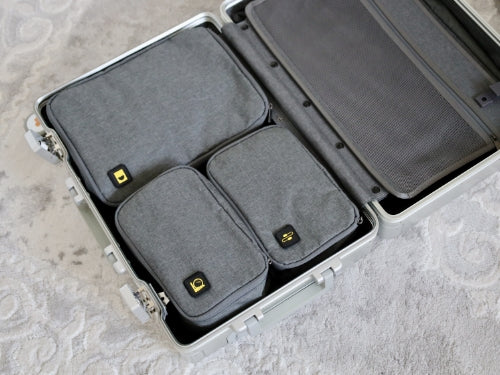
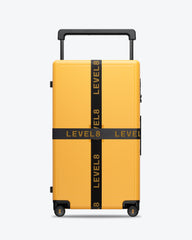
A carry-on with divided packing space makes folded formal clothes easier to organize. The LEVEL8 Voyageur Carry-On combines a wide-handle design with divided interior sections, helping suits, shirts, and wrinkle-prone pieces stay flatter and separated from shoes, toiletries, and accessories.

Pro Tips to Reduce Wrinkles When Traveling
Even with careful folding, travel pressure can still create light wrinkles. These simple packing habits can help your suit and formal clothes arrive in better shape.
Avoid Overpacking Your Suitcase
Avoid placing hard, heavy, leak-prone, or bulky items directly on top of folded suits and formal clothes:
- Shoes or hard shoe soles
- Toiletry bags that may leak
- Heavy electronics or chargers
- Bulky sweaters and jackets
- Overfilled packing cubes
If you pack toiletries in your carry-on, check the liquids, aerosols, and gels rulebefore placing liquids, gels, creams, or pastes near formal clothes.
Add Tissue Paper Between Folds
Place a thin sheet of tissue paper between delicate folds when the fabric wrinkles easily. This is most useful for dress shirts, linen pieces, or lightweight formal clothes that show pressure marks quickly.
Hang Clothes as Soon as You Arrive
Take your suit and formal clothes out of the suitcase as soon as possible. Hang them in the bathroom or closet so the fabric has time to relax before you wear them.
FAQ
Can you pack a suit in a carry-on suitcase?
Yes, you can pack a suit in a carry-on suitcase if the suitcase has enough flat space. Fold the jacket and trousers along their natural lines, then keep shoes, toiletry bags, or heavy electronics in a separate section instead of placing them on top of the suit.
Which fabrics wrinkle the most when folded for travel?
Linen, untreated cotton, viscose rayon, and lightweight natural blends tend to wrinkle more easily when folded for travel. These fabrics hold pressure marks more easily, especially when the suitcase is tightly packed. Wool and wool-blend suits usually recover better after hanging, but they can still crease if folded too tightly or left compressed for too long.
Can you travel with formal clothes without using a garment bag?
Yes, you can travel with formal clothes without a garment bag for short trips. The key is to fold gently, protect structured areas, and unpack as soon as you arrive. For weddings, business meetings, or longer trips, a garment bag is still safer for high-value or wrinkle-prone formalwear.
Are packing cubes good for suits, shirts, and dresses?
Packing cubes are better for shirts, soft dresses, underwear, and casual clothes than for suit jackets. A tight packing cube can press hard lines into shoulders, lapels, and collars. If you use one, choose a loose cube for shirts or soft garments, and keep the suit jacket in a flatter suitcase section.
How far in advance should you pack formal clothes before a trip?
Pack formal clothes as close to departure as possible, ideally the night before or the day you leave. The longer a suit stays compressed, the more likely deep creases will set in. After arrival, hang the suit right away and give the fabric time to relax before wearing it.
Should you fold or roll a suit jacket for travel?
Fold a suit jacket instead of rolling it for most trips. Rolling can twist the shoulders, lapels, and front panels, especially on structured jackets. If you need to save space, fold the jacket gently and use soft layers or packing paper between folds instead of compressing it into a tight roll.
Conclusion
Packing a suit for travel is mostly about reducing pressure and keeping the garment’s shape intact. Smooth it before folding, follow the natural lines of the jacket and trousers, and place it where heavier items will not press into the fabric. Once you arrive, hang it up early so light wrinkles have time to relax.
Leave a comment