



Table of Content
Best Vacuum Bags for Travel: Which Type Fits Your Luggage?

The best vacuum bags for travel are small, easy to seal, and practical to compress again before the trip home. For travelers trying to fit bulky clothes into a suitcase, a roll-up bag is the simplest choice. A bag with a compact pump can remove more air with less hand pressure, but the pump must travel with you.
Vacuum bags reduce the space taken up by soft clothing. They do not reduce its weight. Keep that distinction in mind before buying a large multipack or adding extra outfits to a bag that was already close to your airline’s limit.
Which Vacuum Bags for Travel Work Best?
The right type depends on how you will remove the air on the return trip. Consider that step before comparing claims about maximum compression.
|
Type |
How air comes out |
Best fit |
Main trade-off |
|
Roll-up bag |
You roll the sealed bag toward its outlet |
Short trips and simple repacking |
Takes more effort and may leave more air inside |
|
Hand-pump bag |
A small pump attaches to the valve |
Trips where no outlet is available |
Pumping takes time |
|
Electric-pump bag |
A portable pump attaches to the valve |
Several bags or frequent repacking |
The pump needs power or a charge |
|
Home-storage bag |
A household vacuum removes the air |
Packing before departure when a vacuum is available |
Recompressing it away from home may be difficult |
Roll-Up Bags Keep Return Packing Simple
A roll-up bag needs no separate tool. Close its seal, then roll from the closed end toward the air outlet according to its instructions. Choose this type if you want to pack and repack without keeping track of a pump.
Check the direction of the outlet before buying. A bag that can only be rolled along its longest side may be awkward to use in a small room. Test it at home with the clothes you intend to bring, then reopen and reseal it once. That second attempt tells you more about travel use than a first compression alone.
Pump Bags Help With Bulky Clothing
A pump is useful when a bag contains thick, soft items that are tiring to roll by hand. Check whether the listed kit includes the pump and whether its valve fits that pump. Replacement bags are less useful if they rely on an attachment you do not own.
A hand pump works without charging. An electric pump requires less effort when you have several bags, but you need to know how it will be powered on the way home.
Skip Oversized Bags for Small Suitcases
Measure the usable packing area inside your case. Compare it with the bag’s listed width and length before ordering. Leave room for its sealed edge and valve, which may sit beyond the main stack of clothing.
Several smaller bags can be easier to place than one large, stiff parcel. They also let you open only the clothes you need during a trip. Avoid buying a home-storage assortment solely because it has more bags; many of its largest sizes are intended for bedding.
How Do You Choose the Best Vacuum Bags for Carry-On Luggage?
A carry-on leaves little room for a poorly shaped parcel. Bag dimensions, seal quality, and your ability to repack matter more than the number of bags in the box.
Choose a Bag That Fits the Packing Compartment
Compare the vacuum bag’s listed dimensions with the open compartment of your carry on suitcase. Leave space around the seal and valve. A bag that fits while empty may become too thick once filled, so test it with the clothes you plan to bring.
Smaller bags let you divide clothes into manageable loads. If one filled bag pushes up the suitcase lid, remove a few items or use two bags.
Check Whether the Seal Holds
Fill and compress a new bag at home, then leave it overnight. If it has expanded noticeably by morning, check the closure and valve before relying on it for a flight. Keep fabric away from the sealing track. Close it fully before removing air, and make sure the valve cap is secure.
Make Sure You Can Compress It Again
A roll-up bag can be repacked without equipment. If your bag requires a pump, bring the compatible pump and check that you can use it at your destination. Test the process after opening the bag once at home.
TSA allows vacuum-sealed clothes bags in carry-on luggage, but an officer may need to open one for inspection. A compression method you can repeat makes repacking easier if that happens.

How Should You Pack Vacuum Bags in Checked Luggage?
A larger suitcase gives you more placement options, though one very large compressed bag can still be difficult to handle. When packing for a long trip, keep each compressed bundle easy to lift and leave enough room for the lid to close.
Use Separate Bags for Bulky Clothes
Fold each item so it sits within the bag’s edges. Keep fabric away from the seal, close the full opening, then remove air using the maker’s instructions.
Put the compressed clothes into the case before filling the remaining gaps. This helps you see whether the bag actually improves the layout. If it occupies most of one side, keep items you need during travel outside it.
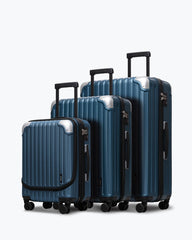
For travelers who often switch between short and longer trips, luggage sets can provide a choice of case sizes. Select the case that fits the actual packing list before deciding how many vacuum bags to use.
Keep the Compressed Load in Place
A sealed vacuum bag can slide when checked luggage is lifted or laid flat. Place it across the packing compartment, keep its valve away from hard objects, and fasten the suitcase’s internal straps over the bag.
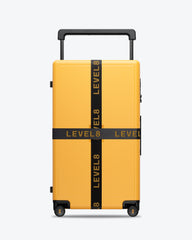
The LEVEL8 Hegent Check-In 24 has a Y-strap compression system that holds the packed bundle in place. Its separate wet-dry pockets give toiletries or worn clothes their own space, so you do not have to tuck them beside the sealed bag. The 68-liter interior provides room to arrange compressed clothing without stacking every bag on top of another.
Plan for the Trip Home
Open a compressed bag when you need its contents, then keep it somewhere dry and clean. Before repacking, check the sealing track for trapped fibers. A small obstruction may prevent the bag from sealing properly.
If you cannot use the original pump at your destination, try compressing the bag by hand only if its instructions allow it. Otherwise, pack fewer items in that bag so the suitcase can still close.
FAQs
Can you put damp clothes in a travel vacuum bag?
Wait until they are dry. Sealing damp fabric can leave moisture trapped with your clothes. Use a separate temporary laundry bag during transit, then unpack and dry the items promptly.
Are vacuum bags suitable for delicate clothes?
Use care. Strong compression can crease structured or delicate garments. Follow the garment’s care instructions and pack pieces that need to keep their shape separately.
Are travel vacuum bags waterproof?
Check the specific bag’s claim. Many bags resist spills, but water protection depends on the seal and construction. Do not assume a bag will protect clothes if submerged or damaged.
Can a rechargeable vacuum pump go in checked luggage?
Carry it on when possible. FAA recommends keeping devices with lithium batteries in the cabin. A device placed in checked luggage must be fully off and protected; spare batteries and power banks must remain in carry-on baggage.
Should clothes stay vacuum sealed between trips?
Unpack them after traveling. Hang insulated jackets so their filling can regain its shape. Long periods of tight compression can reduce the loft that helps these garments retain warmth.
How can you reduce wrinkles after opening a vacuum bag?
Unpack clothes promptly. Hang creased pieces and follow each garment’s care label before ironing or steaming. Keep an outfit you need immediately outside the vacuum bag if its appearance matters on arrival.
Conclusion
The best vacuum bags for travel fit your suitcase, hold their seal, and can be compressed again before you return. Choose roll-up bags for simple repacking or a compact pump system when bulky clothes need more compression. Test the filled bags inside your case, close it without force, and check its final weight and airline dimensions before departure.
Leave a comment